Night Vision Goggle (NVG) Training
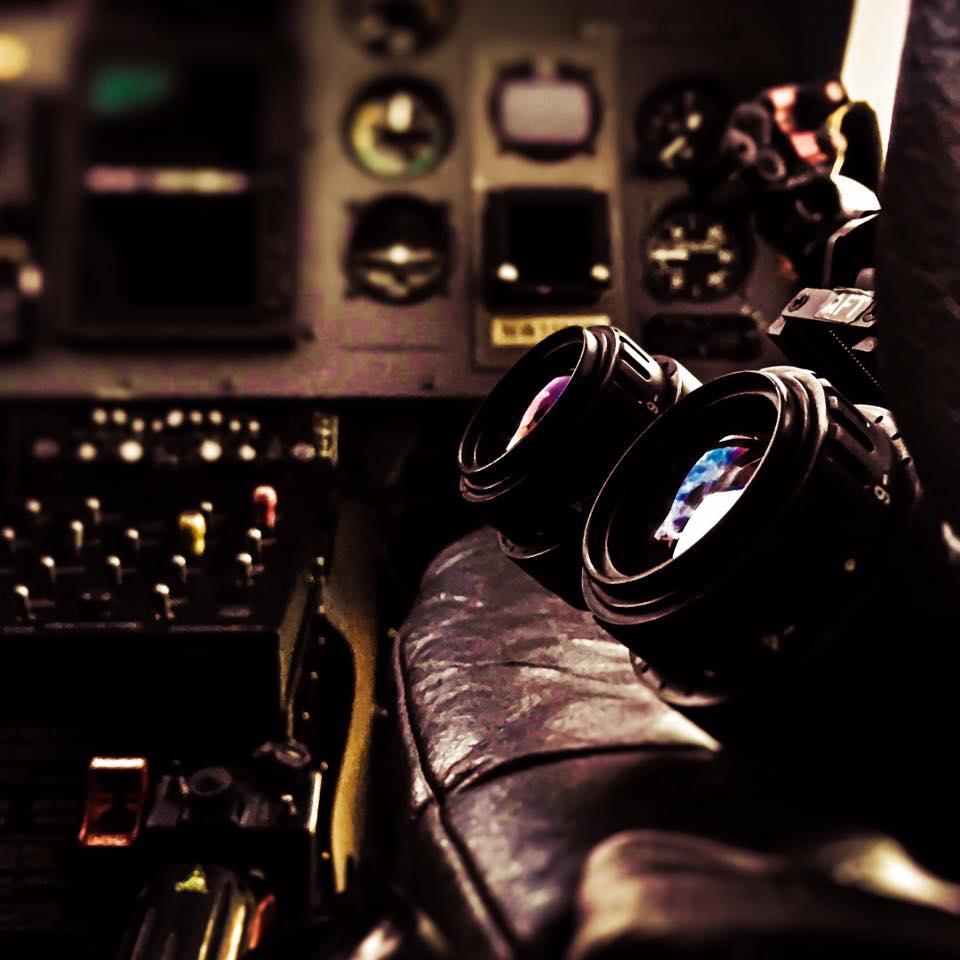
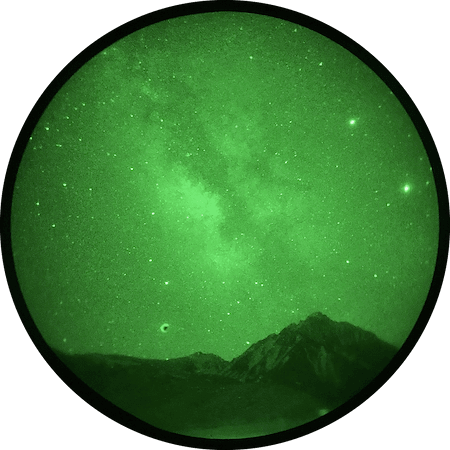
Night VFR presents risks not typically associated with flying during day VFR. The loss of important in-flight clues greatly reduce a pilots’ ability to safely conduct operations at night. Night Vision Goggles, also known as NVGs, are helmet-mounted devices which amplify available light.
NVGs significantly improve night flying operations, especially in areas of limited celestial or surface reference lights. Using NVGs, pilots can now venture out in the darkness almost as safely as during the daytime. HeliStream offers the appropriate Night Vision Goggles helicopter training to complement the technology.
Helistream NVG Training
HeliStream is an FAA certified part 145 repair station. We perform 180-day inspections and will maintain your night vision goggles. We pride ourselves on a one week turnaround for recertification.
Send your NVG's to HeliStream and get Back in Service fast!
learn moreImprovements in NVG technology and manufacturing processes have lowered the cost of Night Vision Goggles. Civilian operators can now afford to utilize NVGs for their night time operations. For this reason, many helicopter operators are seeking both NVG Initial Qualification, as well as Refresher Training, to enhance their operations.
The use of NVGs require specific ground and flight training. HeliStream has a cadre of NVG instructors, who are authorized to conduct this type of training. Upon successful completion of the training, the pilot will then receive the required FAA NVG endorsement. This endorsement, qualifies him/her as the Pilot in Command for NVG operations.
HeliStream also has an FAA Designated Pilot Examiner on staff, with authority to endorse instructors, to give NVG training and proficiency checks.
Rates for training are available upon request.
NVG Helicopter Training Program
NVG Ground Training
- Regulations that relate to Night Vision Goggle Limitations
- Regulations that relate to Night Vision Goggle Flight Operations
- Aero medical Factors related to the use of night vision goggles
- How to protect night vision
- How the eyes adapt to night
- Self-imposed stresses that affect night vision
- Effects of light on night vision
- Cues used to estimate distance and depth perception at night
- Visual Illusions
- Normal, abnormal, and emergency operations of night vision goggle equipment
- Night vision goggle performance and scene interpretation
- Night vision goggle operation flight planning
- Night terrain interpretation
- Factors affecting night terrain interpretation
NVG Flight Training
- Preflight and use of internal and external aircraft lighting systems for night vision goggle operations
- Preflight preparation of night vision goggles for night vision goggle operations
- Proper piloting techniques when using night vision goggles during takeoff, climb, enroute, descent, and landing phases of flight
- Normal, abnormal, and emergency flight operations using night vision goggles
NVG Initial Training Requirements
- Hold a Private or Commercial Helicopter rating
- Hold a valid medical certificate
- Obtain 8 hours of ground training
- Obtain 6 hours of flight training
NVG Refresher Training Requirements
- Hold a Private or Commercial Helicopter rating
- Previous NVG Qualification
- Hold a valid medical certificate
- Obtain 4 hours of ground training
- Obtain 2 hours of flight training
Your Place Or Ours?
NVG Training is conducted at our facility at the John Wayne Airport. Because of our unique location, you will receive NVG training in rural, urban, coastline/ocean-side, and mountainous environments; an advantage not found in other areas of the country.
Training can also be provided at your home base or in your area of operations. Please contact us for details.
In addition to all the listed courses, HeliStream offers NVG Emergency Procedures Training, which include Full Touch-Down Autorotations.
Rates for training are available upon request.
NVG Inspection, Repair and Recertification
HeliStream is an FAA certified part 145 repair station. We perform 180-day inspections and will maintain your night vision goggles. We pride ourselves on a one week turnaround for recertification.
180 Day Certification
On completion of the NVG 180-day inspection, we will return the night vision goggles with a test data sheet and airworthiness compliance certificate.
180 Day Inspection includes:
- Certifying battery packs
- Goggle adjustment ranges
- Helmet mount adapter
- Current draw
- Gain ratios
- High low resolution
- Image distortion
- Image intensifier
- Infinity focus
- Eye piece diopter settings
- Binocular collimation
- Low battery indicator
- Purging goggles with Nitrogen
Repair and Overhaul
We can perform maintenance, preventive maintenance or overhaul in accordance with the manufacture’s instructions and/or air carrier instructions as revised. On the following Make/Models:
- L3 (Litton) / M949 (Goggles & Accessories)
- ITT / F4949 (Goggles & Accessories)
Contact Us
(714) 662-3163
John Wayne Airport
3000 Airway Ave
Suite 350
Costa Mesa, CA 92626 USA
PH: (714) 662-3163
Email Us